Mandala Patterns Style Cute
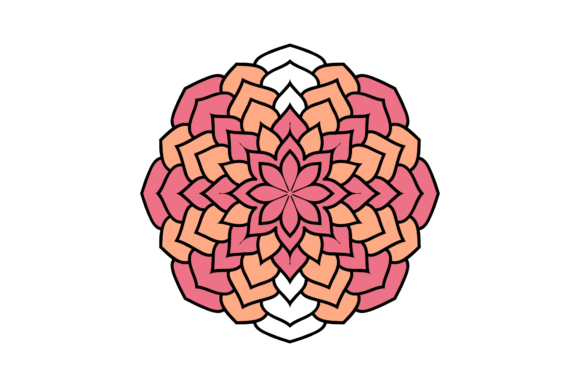
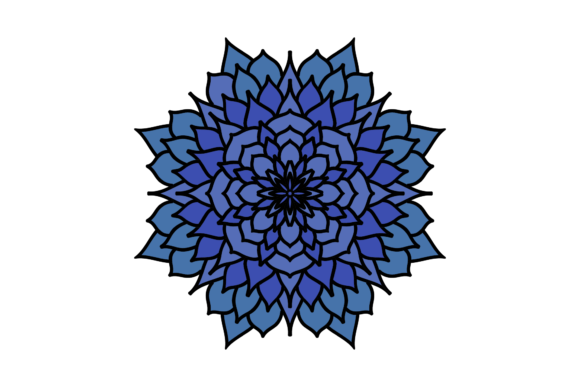
If you’ve ever scrolled through a design platform, opened a craft app, or sketched ideas for a new product launch—and paused at something that felt both calming and cheerful—you’ve likely encountered Mandala Patterns Style Cute. It’s not just “mandalas” in the traditional sense, nor is it just “cute” as a passing trend. It’s a thoughtful blend: symmetrical, hand-drawn–inspired geometry softened with rounded edges, playful motifs (think tiny stars, smiling suns, gentle florals), and balanced negative space—all designed to feel warm, intentional, and quietly joyful.
This isn’t decoration for decoration’s sake. It’s visual language that works *with* people—not against their attention, energy, or goals. Whether you’re printing a limited-run journal for your Etsy shop, prepping slides for a mindfulness workshop, or designing a sticker pack for your teen’s planner brand, Mandala Patterns Style Cute meets real needs without demanding extra time or technical overhead.
Where It Fits Naturally—Not Just Where It’s Placed
You don’t need a “mandala moment” to use this. You need a moment where clarity, warmth, or gentle visual rhythm matters. That shows up in surprisingly ordinary places:
- A small-batch candle label: Instead of competing with bold fonts or saturated gradients, a subtle Mandala Patterns Style Cute border frames your brand name—soft enough to signal calm, structured enough to feel trustworthy. Customers scanning shelves online or in person pause just a half-second longer—not because it’s flashy, but because it feels *considered*.
- An educator’s printable worksheet: A teacher preparing a social-emotional learning activity adds a light mandala-inspired corner motif to a breathing exercise chart. It doesn’t distract from instructions—it quietly supports focus. Students notice the repetition, the balance, and subconsciously settle into the task more easily.
- A freelance designer’s client presentation: You’re pitching a rebrand for a wellness studio. Instead of stock photos or abstract gradients, you drop one Mandala Patterns Style Cute pattern into the background of a mood board slide. It signals alignment with values—harmony, care, intention—without needing a footnote.
It’s also practical for digital-first work. Bloggers embedding a custom divider between sections, podcasters designing Canva thumbnails, or Shopify store owners adding texture to product banners—all benefit from a pattern that scales cleanly, loads fast, and adapts across devices. No pixelation. No awkward cropping. Just consistency that feels handmade, not automated.
What You Get—and Why Format Variety Matters in Real Life
This collection delivers 6 digital files—each serving a distinct purpose, not just padding a download count:
- The AI and EPS files let you open, recolor, resize, or isolate elements in Adobe Illustrator or Affinity Designer—ideal if you’re integrating into a larger branding system or prepping for print production.
- The SVG file works instantly in Cricut Design Space, Silhouette Studio, or web projects—perfect for laser-cut greeting cards, vinyl decals, or interactive website backgrounds.
- The DXF file bridges to CAD software or CNC workflows—useful if you're crafting wooden coasters, acrylic wall art, or even custom embroidery hoops.
- The JPG and PNG files are ready-to-drop: no editing needed. Use the JPG for email headers, social media banners, or printed posters. Use the transparent-background PNG for overlays on photos, mockups, or layered digital illustrations.
That variety means you’re not choosing *one* workflow—you’re keeping options open. A blogger might start with the PNG for an Instagram carousel, then switch to SVG later when launching a merch line. A teacher might use the JPG for a Google Slides template today, then pull the AI file next semester to tweak colors for a new curriculum theme. Flexibility isn’t theoretical here—it’s built into how each file behaves in your actual tools.
Things to Keep in Mind Before You Use It
Mandala Patterns Style Cute thrives when used with intention—not excess. Here’s what helps it land well:
- Respect contrast and hierarchy: These patterns invite attention, so pair them with clean typography and ample whitespace. Avoid layering multiple mandala motifs on one page—or using them behind dense text. Let them breathe.
- Consider context over cuteness: “Cute” shouldn’t mean childish. In professional settings, it reads as approachable, not unserious—especially when paired with restrained color palettes (soft sage + cream, dusty rose + charcoal) or minimal layouts.
- Check your output medium: Printing? Use AI/EPS for crisp vector output. Web-only? PNG or SVG will load faster and scale smoothly. Laser cutting? Confirm DXF units match your machine’s settings before sending to hardware.
- Think about reuse, not just one-off use: Because these files are editable, you’re not buying a static image—you’re investing in a reusable asset. Change colors to match seasonal campaigns. Flip or rotate elements to create variation across products. Duplicate and scatter motifs to build custom textures.
Who Benefits—and How It Shows Up in Their Day
A freelance illustrator uses the SVG to quickly mock up a set of printable affirmation cards—recoloring the same base pattern in three soft tones to unify the series. A homeschool parent prints the JPG on cardstock, cuts out individual mandala shapes, and turns them into tactile sorting games for fine motor practice. A boutique owner imports the EPS into their packaging design software, scaling the motif to wrap around a soap box—no extra illustration fee, no delay.
Even non-designers find value. A therapist adds the PNG as a subtle watermark to PDF handouts—calming but unobtrusive. A food blogger uses the AI file to trace a mandala outline around a recipe photo, then fills it with herbs and spices for an Instagram story highlight cover. A student designing a thesis presentation inserts the SVG into PowerPoint as a section divider—making transitions feel cohesive, not jarring.
None of these users needed to learn new software or study sacred geometry. They saw a pattern that matched their tone, opened the right file, and kept going. That’s the quiet strength of Mandala Patterns Style Cute: it supports your message instead of competing with it—and gives you back time, not more decisions.