Loft: A Strategic Approach to Design and Creativity
In the world of design, creativity, and project development, the concept of Loft offers a unique and powerful framework. Whether you're an entrepreneur launching a new brand, a designer working on a complex project, or a hobbyist exploring new creative avenues, understanding how to strategically use Loft can significantly enhance your outcomes. This article explores what Loft is, why it matters, and how to apply it effectively in your work.
Understanding Loft: More Than Just a Design Element
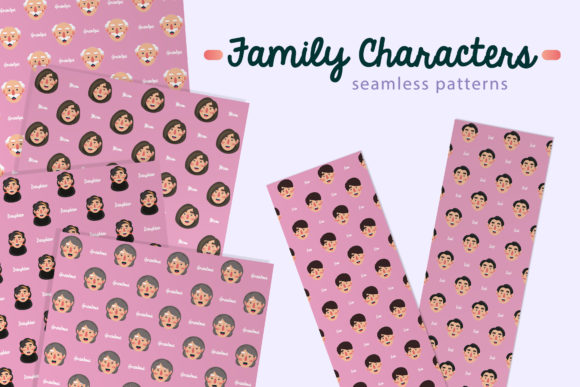
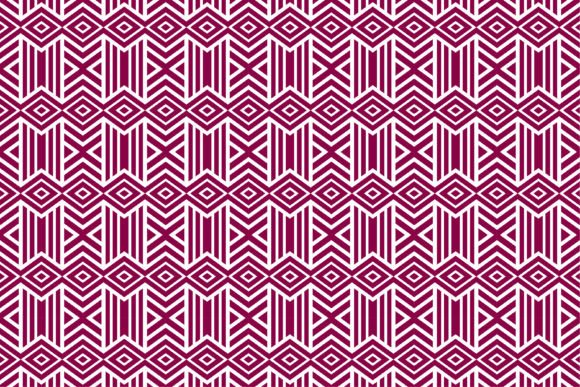
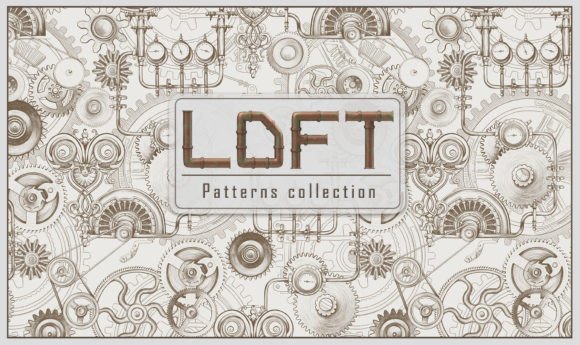
Loft refers to a collection of visual elements that are both functional and aesthetically rich. These elements are often used as backgrounds, patterns, or motifs in various creative projects. The term itself suggests openness, flexibility, and a space where ideas can be explored and developed. In the context of design, Loft patterns are not just decorative—they serve as foundational components that can be adapted, modified, and repurposed to suit different needs.
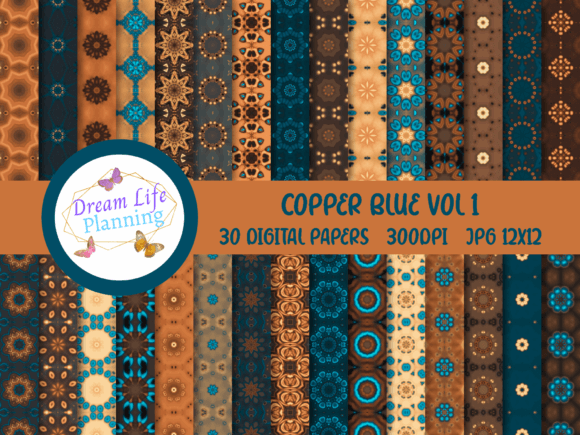
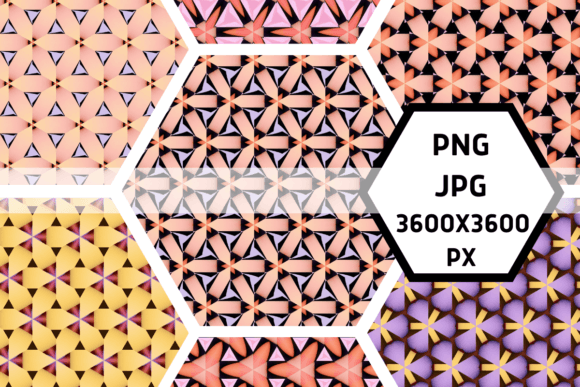
When you think about Loft in terms of design, consider it as a versatile toolkit. It includes high-resolution images, layered files, and scalable motifs that allow for customization. For instance, a set of Loft patterns might consist of multiple image formats such as JPG, PNG, and PSD, each offering different levels of detail and editability. These files are designed to be used in a variety of applications—from home decor and wall art to digital marketing materials and branding assets.
The Strategic Value of Loft in Creative Projects
One of the key reasons Loft is strategically useful is its ability to support long-term goals and planning. When you have a flexible design system like Loft, you're not just creating visuals—you're building a foundation that can evolve with your projects. This is particularly valuable for creators who need to maintain consistency across multiple platforms or campaigns.
For example, if you're a small business owner looking to develop a brand identity, using Loft patterns can help you create a cohesive visual language. These patterns can be applied to logos, packaging, websites, and social media content, ensuring that your brand remains visually aligned across all touchpoints. This consistency reinforces brand recognition and strengthens customer engagement.
Additionally, Loft supports communication and creativity by providing a structured yet adaptable environment. When designing for clients or collaborators, having a clear set of visual elements allows for more efficient decision-making. Instead of starting from scratch, you can build upon existing designs, saving time and resources while maintaining quality.
How to Use Loft Effectively: Practical Tips and Considerations
Using Loft effectively requires intentionality. Here are some practical tips to help you approach it strategically:
- Define Your Goals: Before using any design elements, clarify your objectives. Are you aiming for a specific aesthetic, functionality, or message? Knowing your goals ensures that your use of Loft aligns with your overall strategy.
- Plan for Scalability: Choose Loft patterns that can scale well across different mediums. High-resolution files ensure that your designs look sharp whether printed or displayed digitally.
- Customize with Purpose: While Loft provides a base, don't hesitate to modify elements. Changing colors, repositioning elements, or combining motifs can lead to unique and personalized results.
- Consider Context: Think about where and how your Loft-based designs will be used. A mural might require a larger format, while a poster may need a more compact layout. Understanding the context helps you select the right files and adapt them accordingly.
- Use Layered Files for Flexibility: If you're working with PSD or PSB files, take advantage of the layers. They allow for non-destructive editing, making it easier to experiment without losing original data.
Real-World Applications of Loft in Various Industries
The versatility of Loft makes it applicable across a wide range of industries and use cases. Here are a few examples:
Interior Design and Home Decor
For interior designers and homeowners, Loft patterns can serve as inspiration for wall art, murals, and decorative elements. By incorporating these designs into living spaces, you can create a cohesive and visually appealing environment that reflects personal style and taste.
Marketing and Branding
Marketers and brand strategists can leverage Loft to develop consistent visual identities. Whether it's for packaging, digital banners, or social media graphics, using Loft patterns ensures that your brand maintains a unified look across all channels.
Education and Learning
Educators and content creators can use Loft in teaching materials, posters, and learning aids. Visual elements can make complex concepts more engaging and accessible, especially in subjects like art, design, and visual communication.
Freelancing and Small Business Operations
Freelancers and small business owners often juggle multiple projects. Using Loft can streamline their workflow by providing ready-to-use design assets that can be customized quickly. This saves time and increases productivity, allowing them to focus on other aspects of their business.
Risks of Using Loft Without Clear Goals
While Loft offers many benefits, it's important to recognize the risks of using it without clear goals or context. One common issue is over-reliance on pre-existing designs without considering the specific needs of a project. This can lead to generic, unoriginal results that fail to resonate with the intended audience.
Another risk is inconsistency. If Loft patterns are used without proper planning, they may not align with the overall brand or message. This can confuse customers and dilute the impact of your design efforts.
Additionally, using Loft without understanding its limitations can result in poor scalability. Some designs may not perform well when resized or adapted for different formats, leading to a loss of quality or clarity.
Conclusion: Intentional Use of Loft for Better Outcomes
Loft is more than just a design tool—it's a strategic asset that can enhance creativity, communication, and productivity. By understanding its value and using it intentionally, you can achieve better results in your projects. Whether you're a professional designer, a small business owner, or a hobbyist, leveraging Loft with purpose can elevate your work and support your long-term goals.
Remember, the key to successful use of Loft lies in planning, customization, and alignment with your objectives. With the right approach, Loft can become an essential part of your creative toolkit, helping you produce high-quality, impactful designs that stand out in a competitive landscape.